

Scientific Method and Applied Research
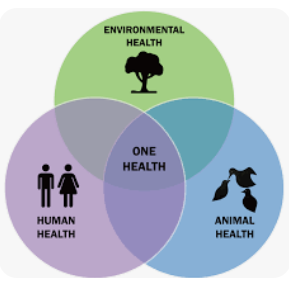
We adopt the international One Health approach: the health of humans, animals and the ecosystem are inextricably linked. We do not limit ourselves to tracking chemicals, but we analyze all environmental determinants (noise, olfactory nuisance, landscape impact) that influence the well-being of the environment and the population.



We follow the guidelines of the major international authorities (WHO, ISS, EFSA) by combining two complementary strategies:
- Computational Modeling Approach: Advanced engineering software and mathematical models to simulate and predict the dispersion of pollutants from emission sources, determining the exposure concentration for sensitive receptors.
- Experimental Deterministic Approach: Field monitoring with chemical-physical analysis (of abiotic matrices) and ecotoxicological tests (on biotic matrices) as an early alert for the environment and human health
Research Applied to Environmental and Health Monitoring
1. Chemical-Physical and Environmental Modeling
- Air: Analysis of industrial emissions (carcinogenic and non-carcinogenic micropollutants) and olfactory nuisances.
- Water: Quality control of water bodies and tracking of emerging non-regulated pollutants.
- Soil: Monitoring of industrial deposition and effects of sludge/soil improvers.
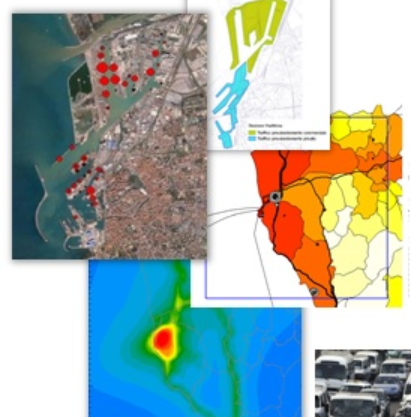
- Environmental Modeling: Physical-Mathematical Computational Processing with modeling simulation of the diffusion of pollutants and olfactory nuisances in the environment surrounding the emissive-immissive source.
2. Biomonitoring and Ecotoxicology
We measure actual biological damage through batteries of bioindicators and standardized models:
- Soil and Sediments: Tests with higher plants (Watercress, Sorghum) and terrestrial organisms (Worms, C. elegans).
- Water: Toxicity tests on crustaceans (Daphnia magna), algae (Pseudokirchneriellasub capitata), fish models (Zebrafish).
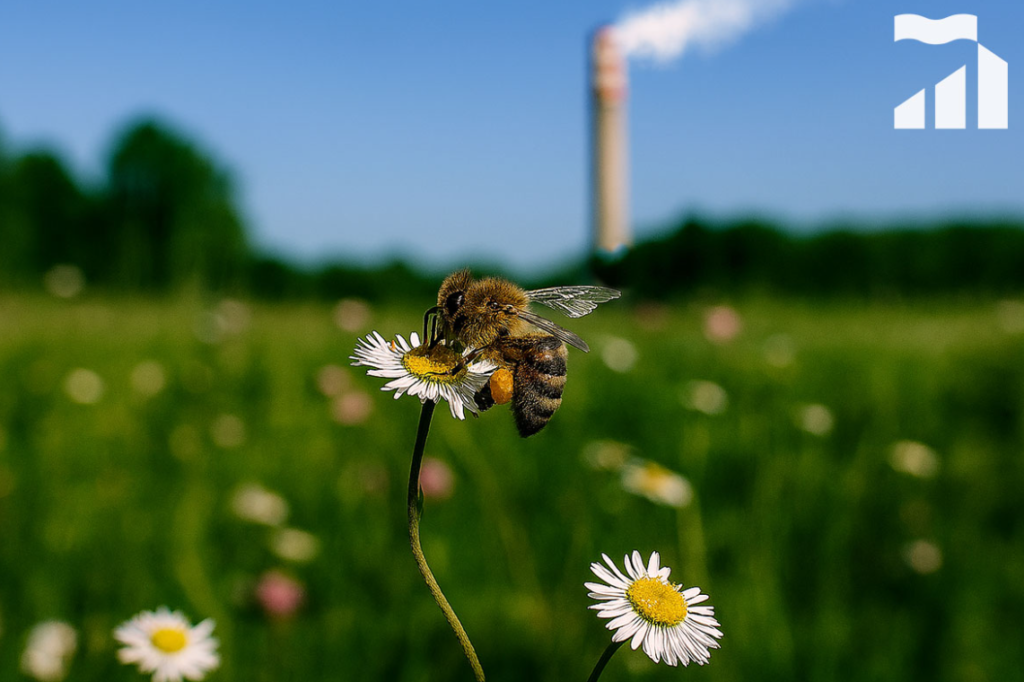
- AIR: pollinating insects (Bees) as natural control units.
3. Health and Epidemiological

- Epidemiological Studies: Statistical and social analyses to estimate the incidence of “Environmental Diseases” on the territory.
- In Vitro Assays: Evaluation of cell damage on lung, blood, and liver cell lines..
- Human Biomonitoring: Search for exposure markers on biological matrices (blood, urine, hair, breath analysis) in exposed and non-exposed populations.
4. Climate and Noise Impact
- Phonometric analysis before and after the construction and support for municipal acoustic zoning.
- Estimation of the effects of noise (traffic or industrial) on the onset of cardiovascular and neurological diseases
Assessments, Monitoring Plans and Legal Support
We summarize the scientific activities in the documents necessary for the authorization procedures:

- PMAS (Environmental and Health Monitoring Plans): Complex protocols valid for obtaining EIA, IEA and AUA authorizations.
- VIIAS (Integrated Assessments): Scientific drafting and modelling of environmental impact studies (EIA-VIA), health impact studies (HIS-VIS) and health damage studies (HDS-VDS).
- Legal Advice: Specialist support on the Environmental Code (Legislative Decree 152/06) and verification of compliance with the European DNSH (Do No Significant Harm) criteria.
